24 Clean Eating Tips to Lose Weight and Feel Great

1. Cut out Added Sugar

Eating too much added sugar has been linked to a wide array of health issues ranging from obesity to heart disease (1).

When transitioning over to a cleaner eating pattern, foods and beverages with added sugarshould automatically be phased out.

When cleaning up your diet, using healthy substitutes for your favorite sweet treats can satisfy cravings and keep you on track.

For example, swap your nightly bowl of ice cream for a clean treat like Greek yogurt topped with berries, unsweetened coconut and cinnamon.

2. Bring out Your Inner Chef

Many people depend on fast food and other quick, unhealthy foods to get them through busy days.

However, making a habit of buying meals and snacks on the run can lead to unhealthy choices and behaviors.

Although it’s not practical for everyone to cook all meals at home, preparing fresh, healthy food for yourself should be a priority whenever possible.

When eating clean, knowing what’s in your food is important and cooking for yourself is the easiest way to control what goes in and what stays out of your body.

3. Shop the Perimeter

Shopping the perimeter of the grocery store is one of the most popular pieces of nutrition advice.

This is because the perimeter of the grocery store usually contains fresh produce and healthy protein sources like eggs, yogurt and poultry.

Although the interior aisles of the grocery store do contain healthy items like canned beans and nuts, they also tend to be where most of the unhealthy items like chips, candy and soda are located.

Making it a priority to fill your cart with foods from the perimeter, including vegetables, fruits and proteins, before moving on to the interior of the store can help you stay on track and avoid tempting treats.

4. Support Your Local Farmers

Clean eating revolves around knowing your food and where it comes from.

There is no better way to honor this principle than to form a relationship with local farmers who grow or raise the food that you eat.

Purchasing food directly from small farms means that you can be informed about the methods used to grow produce and raise animals for meat, poultry, eggs and dairy.

Supporting local farms means building a connection with your food while supporting your local economy.

Plus, buying food directly from local farms means that you are guaranteed to enjoy the freshest in-season food available.

5. Stop Eating “Diet” Foods

When trying to lose weight, many people reach for “diet” foods like low-fat dressings, diet soda, meal replacement bars and weight-loss drinks.

These foods can be loaded with artificial sweeteners, preservatives and added sugar.

For example, low-fat yogurts can contain as much as 23 grams (6 teaspoons) of sugar in a half-cup serving (2).

When following a clean eating program, choose whole, non-diet foods like unsweetened, full-fat yogurt and natural peanut butter with no added sugar.

6. Go for the Green

Leafy green vegetables like spinach, kale and arugula are easy and nutritious ingredients that can be added to almost any meal.

Adding a mixed green salad to your meal, incorporating sautéed spinach into an omelet or tossing fresh kale into your favorite smoothie are easy ways to eat more healthy produce.

Greens — especially dark, leafy greens like kale — are packed with vitamins, minerals and antioxidants that help your body thrive.

Try experimenting with different types of greens to narrow down your favorites.

7. Ditch Refined Carbs

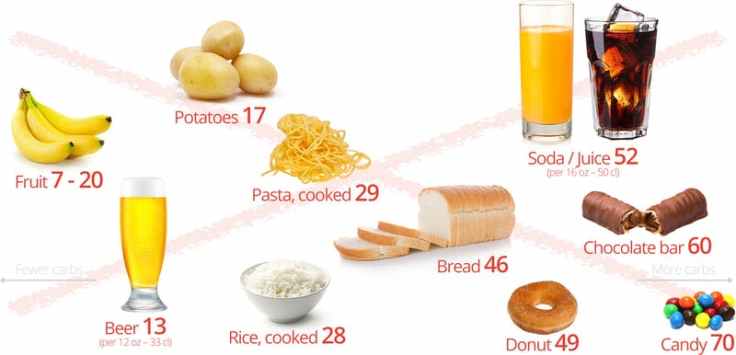
Filling up on white rice, bread and pasta won’t do you any favors when it comes to health.

This is because these foods lack the vitamins, minerals, fat, protein and fiber that your body needs to function.

Plus, a high intake of refined carbohydrates has been associated with an increased risk of developing health issues like obesity and diabetes (345).

Swap refined grains for whole, fiber-rich grains like oats, barley, brown rice and farro for cleaner, more nutrient-dense carbohydrate options.

8. Choose Nutrient-Dense Foods

Foods that are considered “nutrient-dense” contain an impressive amount of nutrients but are relatively low in calories. They’re perfect for those looking to shed pounds.

Nutrient-dense foods include broccoli, berries, eggs, red bell peppers, seeds, wild-caught salmon and sweet potatoes.

On the other hand, foods that are considered nutrient-poor, like candy and fast food, are packed with calories yet contain few nutrients.

Choosing meals and snacks that are loaded with nutrient-dense ingredients is a smart and delicious way to get healthier.

9. Keep It Clean When Eating Out

As long as you know what to look for, eating clean can be a breeze no matter where you are.

Choose meals that focus on fresh produce, complex carbs, healthy fats and lean proteins.

Although it’s perfectly healthy to indulge in a treat once in a while, make it a point to limit heavy dishes like creamy pastas and fried foods as much as possible.

Additionally, swap the breadbasket for a healthy salad before your meal to increase your vegetable intake while filling up on fiber.

10. Meal Prep for Success

Prepping bulk meals for the week ahead ensures that you will have fresh, healthy options every day. It also keeps you from making poor food choices out of desperation.

For example, knowing that you have a delicious meal already prepared and waiting for you in your refrigerator can deter you from stopping at a fast food restaurant for a quick bite.

Try investing in a dry erase board for your kitchen where you can jot down recipe ideas, grocery lists and plan meals for the week ahead.

11. Eat Whole Foods

Eating mostly whole foods in their least processed form is a great way to eat clean.

A smart way to make the transition to a whole-foods diet is to focus on one meal at a time.

For example, if you’re used to eating a sugary oat cereal for breakfast every morning, switch to a bowl of rolled oats topped with fresh berries and natural nut butter.

Start transitioning out meals and snacks that contain processed ingredients and replace them with whole foods like vegetables, fruits, nuts, healthy fats and proteins.

12. Don’t Drink Your Calories

Drinking just a few calorie- and sugar-laden drinks per day can lead to weight gain over time and may increase your risk of developing chronic diseases like diabetes (67).

Even healthy-sounding drinks like smoothies can be loaded with sugar, which isn’t good for weight loss or overall health.

To keep your added sugar intake to a minimum, hydrate with healthy options like water, water infused with fresh fruit and unsweetened green tea.

13. Follow a Plant-Based Diet

One of the best ways to make your diet healthier and cleaner is to eat more plant-based meals.

Vegetables can be added to almost every meal or snack, upping the nutritional content and taking the place of less healthy items on your plate.

Start by eating at least one plant-based meal per day, whether that be breakfast, lunch or dinner.

14. Take a Look at Labels

Reading nutrition labels lets you know if an item contains limited, clean ingredients or if it’s filled with sugar, unhealthy fats and artificial additives.

Focusing on eating whole foods that don’t need a label is always the best choice, but packaged foods can be added to your diet as long as they contain healthy ingredients.

A rule of thumb when shopping is to purchase foods that contain only whole, natural ingredients and are low in added sugar.

15. Focus on Ingredients, Not Calories

Although cutting out energy-dense, unhealthy items is crucial to weight loss, it’s more important to pay attention to food quality and ingredients than calories.

For example, although avocados and nuts are high in calories, they are packed with nutrients like fiber and healthy fats that can promote weight loss by keeping you satisfied between meals (8910).

Plus, picking foods based on what will nourish your body rather than obsessing over which foods are “good” or “bad” can help you develop a healthy relationship with all foods.

16. Fill up on Protein

Diets higher in protein have been shown to suppress hunger, boost metabolism, increase muscle mass and decrease body fat (111213).

Clean sources of protein like eggs, poultry, fish, tofu, dairy, nuts and beans can be easily added to any meal.

What’s more, combining protein sources with high-fiber foods makes for filling snacks that will keep you satisfied between meals.

For example, dipping sliced vegetables in a few tablespoons of hummus or topping flax crackers with egg salad provides a winning combination that’s sure to keep hunger in check.

17. Experiment With New Foods

Adopting a clean eating pattern that involves trying new foods is an excellent way to get healthier and expand your palate.

Trying out a new vegetable or spice every week can help keep meals interesting, too.

Before you know it, you will have a wide variety of ingredients to use in your recipes to make cooking enjoyable and fun.

18. Eat the Rainbow

Including a wide variety of nutritious vegetables, fruits and spices in your diet is an important part of eating clean.

Colorful options like berries, greens, sweet potatoes, red peppers and turmeric are packed with powerful plant compounds and nutrients that are essential for health.

One of the easiest ways to eat more brightly colored produce is to enjoy a large salad of mixed vegetables every day.

To up the nutritional content even more, top it with a homemade dressing of olive oil, turmeric, apple cider vinegar and fresh ginger.

19. Keep Your Pantry and Fridge Stocked

When transitioning to a healthier diet, it’s essential to be prepared. This way, you always have the ability to make healthy meals and snacks.

Set aside time every week to go grocery shopping, which will ensure your kitchen is stocked with the ingredients necessary to keep you on track with your wellness goals.

Keeping a supply of healthy canned, frozen and bulk ingredients on hand can make last-minute meals a breeze.

Canned beans, frozen vegetables and grains like quinoa and oats are affordable, clean ingredients that can be stored in the freezer and pantry to be enjoyed at any time.

20. Don’t Deprive Yourself

Although fad diets that drastically cut calories can be tempting, especially when trying to lose weight fast, they aren’t the best choice for healthy, long-term weight loss.

The most important factor in choosing a healthy method of weight loss is sustainability.

The good news is that clean eating is a weight loss method that can be followed for life, without depriving yourself or using unhealthy tactics to reach a healthy weight.

By simply cutting out ultra-processed foods and following a diet of whole foods, your health will improve in numerous ways, including losing excess pounds.

21. Make Healthy Versions of Your Favorite Treats

Limiting your intake of sweets and unhealthy snacks is important when trying to lose weight.

Fortunately, there are loads of delicious alternatives that can make clean eating easier, especially for those used to eating lots of sweets.

Some healthy sweet treat ideas include:

  • Dipping strawberries in dark chocolate
  • Making energy balls with nut butter, oats, coconut, cocoa and dark chocolate
  • Preparing chocolate pudding with avocado, coconut milk, dates and cocoa powder
  • Baking apples stuffed with chopped nuts, oats and raisins.

22. Clean up Your Coffee

Although coffee is a healthy drink on its own, additives like sweetened syrups, artificial sweeteners and whipped cream can negatively impact your health and waistline.

Popular coffee drinks like frappuccinos, mochas and sweetened lattes can pack in hundreds of calories.

In order to keep your coffee healthy and avoid flooding your body with excessive amounts of sugar, keep your drink simple and opt for unsweetened items.

23. Practice Intuitive Eating

Intuitive eating is a technique that teaches you how to make healthy choices and promotes a positive relationship with food.

It involves paying attention to hunger and fullness cues, which can decrease chances of overeating and help you overcome unhealthy habits like overeating.

Intuitive eating is a tool that may improve your mental health, as well.

One study found that women following an intuitive eating program experienced significant decreases in binge eating behaviors, as well as significant improvements in mental wellbeing (14).

24. Purchase Local and Organic Products

Incorporating organic, local foods into your diet can boost the nutritional value of your diet and decrease your intake of contaminants like herbicides and pesticides.

The Environmental Working Group’s Dirty Dozen list is an excellent resource that advises consumers on which foods contain the highest pesticide residues.

Making a point to buy organic versions of the foods on this list, such as strawberries and spinach, can help reduce your intake of potentially harmful substances.

Purchasing local, organic food isn’t only good for your health — it also benefits the planet by promoting biodiversity and reducing environmental contaminants.

The Bottom Line

Clean eating isn’t a diet — it’s a healthy way of eating that can be followed for life.

By increasing your intake of whole, clean foods and eating fewer unhealthy, processed items, you can positively impact your overall health and wellbeing.

Plus, eating clean can help you reach your weight loss goals in a healthy, sustainable way.

Try incorporating a few of these tips every week. Before you know it, you will be living a healthier, happier lifestyle.

EAT-CLEAN DIET

Rule 1: Eat Only Whole Foods

2 OF 13

ALL PHOTOS

That means eating oats and blueberries rather than a blueberry muffin. When you eat packaged foods, only buy brands that contain “real food” ingredients—ingredients you easily recognize, can pronounce, and would use to make a “from scratch” version in your own kitchen. If a food contains even one ingredient that makes you think “huh?” skip it, at least during the clean eating challenge.

Rule 2: Keep Meals Simple

3 OF 13

ALL PHOTOS

Delicious, healthy food doesn’t have to contain a lot of ingredients. Keep your meal ingredients to a minimum—just be sure to include a source of whole grains, lean protein, and healthy fat at each meal. For example, veggies and shrimp stir fried in sesame oil over a bed of brown rice seems restaurant quality but can be whipped up faster than takeout.

Rule 3: Eat Slower

4 OF 13

ALL PHOTOS

Put your fork or spoon down between every bite, and focus on the flavors and textures of your food.

Rule 4: Eat on a Regular Schedule

5 OF 13

ALL PHOTOS

Try not to let more than about four hours go by between meals or snacks. Steady meal timing helps regulate your digestive system, blood sugar and insulin levels, and appetite.

Rule 5: Listen to Your Body

6 OF 13

ALL PHOTOS

Eat when you’re hungry and stop when you’re full, meaning satisfied, not stuffed. The recipes here intentionally don’t provide amounts. That’s so you get used to relying on your hunger and fullness cues to tell you when to stop and start eating.

Day 1 Sample Diet: 3 Clean-Eating Meals and 1 Snack

7 OF 13

ALL PHOTOS

Each day eat three clean eating meals and one snack. Here I’ve outlined a breakfast, lunch, snack, and dinner option for day one of your clean eating. In the slides that follow I give you six more dinner ideas to keep you on track.

Breakfast: Cook old fashioned quick cooking oats using organic skim or soy milk. Top with a sliced apple and garnish with chopped walnuts.

Lunch: Toss baby spinach with balsamic vinegar and salt-free dried Italian herbs. Top with a scoop of chilled red quinoa and cannellini beans (canned, drained, and rinsed beans are fine) and sliced avocado.

Snack: Drizzle a little honey into a container of nonfat Greek yogurt, fold in a sliced mini banana and garnish with sliced almonds.

Dinner: Sauté onion, halved grape tomatoes and chopped green bell pepper in extra virgin olive oil until slightly tender. Add chicken breast or organic tofu to heat through. Serve over whole wheat penne.

Day 2: Clean-Eating Dinner Idea

8 OF 13

ALL PHOTOS

Lentils and Quinoa with Mint and Lemon: Sauté chopped red onion, minced garlic, celery, and red bell pepper in extra virgin olive oil until tender. Add lentils (vacuum sealed or canned, rinsed, and drained are both fine) to heat through. Serve over a small scoop of cooked quinoa and garnish with fresh mint and juice from a fresh lemon wedge.

Day 3: Clean-Eating Dinner Idea

9 OF 13

ALL PHOTOS

Tuna Lettuce Wraps with Basil Pesto and Couscous: 
Fill large outer romaine lettuce leaves with a mixture of drained chunk light tuna canned in water tossed with basil pesto, minced sun-dried tomatoes and whole wheat couscous.

Day 4: Clean-Eating Dinner Idea

10 OF 13

ALL PHOTOS

Mexican Salad with Corn, Avocado, Beans, and Lime: 
Mix mashed avocado with minced onion, tomato, fresh lime juice, and cilantro. Toss with torn romaine to coat leaves. Top with a small scoop each of frozen, thawed corn and black beans (canned, drained, and rinsed are fine).

Day 5: Clean-Eating Dinner Idea

11 OF 13

ALL PHOTOS

Seared Shrimp in Coconut Oil: On the stovetop, sear fresh shrimp in coconut oil and season with fresh grated ginger and scallions. Serve over a bed of mixed field greens and top with fresh pear slices.

Day 6: Clean-Eating Dinner Idea

12 OF 13

ALL PHOTOS

Spaghetti Squash with Garlic, Mushrooms, Tomato and, Feta: 
Sauté chopped onions, minced garlic, sliced mushrooms, and a small, diced plum tomato in extra virgin olive oil. Reduce to low heat to keep warm. Slice a small spaghetti squash in half, remove seeds, place face down in a glass dish with a few tablespoons of water. Cover with wax paper and microwave on high for 7 to 8 minutes. Rake out strands, toss with sautéed veggies, and garnish with crumbled feta cheese.

Day 7: Clean-Eating Dinner Idea

13 OF 13

ALL PHOTOS

Pineapple Chicken with a Twist: 
Stir fry sliced red and green bell peppers and a dash of crushed red pepper in sesame oil. Add diced, cooked chicken breast and pineapple chunks to heat through. Serve over a scoop of cooked wild rice.

American Skincare Routine

970-african-american-skin-care-routines-tips

This routine should sound familiar. “The American girl aims for fresh, healthy, young-looking skin,” says Kim Robertson, VP of customer experience and education at Kiehl’s. Preventing the signs of aging is a key priority for her, as is sticking to natural ingredients whenever possible. Though the everyday American girl isn’t quite as informed about the science of skincare as the average Korean, she is still concerned with avoiding harmful chemicals. And because we Americans like things to happen fast, she’s driven by the promise of overnight results.

A gentle yet thorough cleanser and toner are essential to the American girl’s routine, says Robertson. After toner, her focus is anti-aging—softening fine lines and restoring that coveted youthful “glow.” For this, she might reach for a concentrated serum, says Robertson, like Kiehl’s Powerful-Strength Line-Reducing Concentrate ($60), which neutralizes free radicals to fight aging.

Another classic American step is to do a detoxifying mask once a week, like GlamGlow’s Supermud Clearing Treatment ($69) or Tata Harper’s Purifying Treatment ($65). And no American skincare routine is complete without night cream. Retinol-packed moisturizers, like RoC’s Retinol Correxion Deep Wrinkle Night Cream ($20), are always especially popular.

French Skincare Routine

vbnd4miuoxox

According to Clarins expert Christopher Truffa, “less is more” when it comes to French nighttime skincare. The goal is to use as few products as possible, that are as gentle as possible, to wake up with skin that is “clean, baby soft, hydrated, and rested.”

“We are big on pharmacies and buy most of our beauty products there,” adds French girl Clémence Polès, creator of the street style blog Passerbuys. Favorite brands include Caudalie, Nuxe, and La Roche-Posay.

The typical nighttime routine in France takes only two or three steps, though this expands with age. Twenty-something Polès sticks to a gentle cleanser, like Caudalie’s Instant Foaming Cleanser ($28) or Bioderma’s Créaline H2O ($26), followed by moisturizer. “And when I say moisturize, I really mean moisturize,” she says. “Face, body, hands—the whole deal.” At night, Polès typically opts for a face oil. Her favorite is Nuxe Huile Prodigieuse ($24), which she also applies to the ends of her hair.

Valerie Grandury, founder of French skincare brand Odacité, says that as French women enter their 30s, they start to add a few more products. “Night cream, eye cream, and a serum when you’re over 30 are all essential,” she says. Try Odacité’s Ac+R Youthful Glow ($55).


Korean Skincare Routine

image

Korean women are famous for their 10-step skincare routines. But what inspires such an intensive process? Alicia Yoon, founder of Asian beauty boutique Peach & Lily, says that Korean women know that the skin regenerates most actively while you sleep, between the hours of 10 p.m. and 2 a.m. Their nighttime skincare routines are designed to support that process.

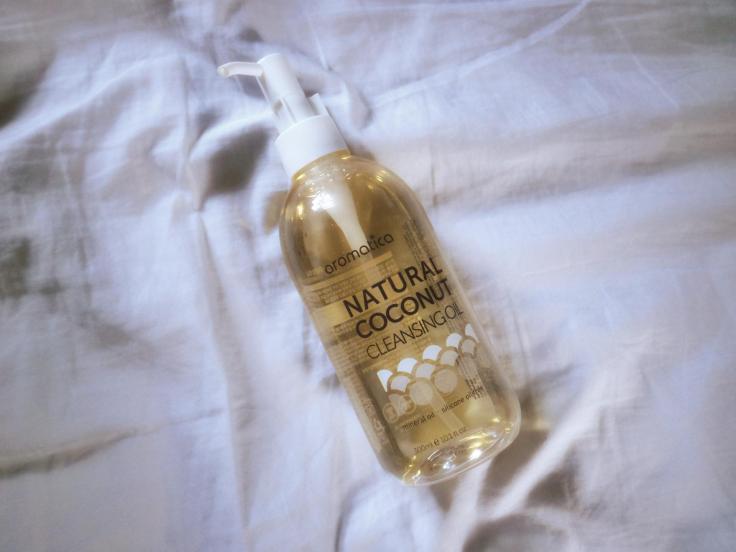
Korean women’s nighttime routines are highly individualized, according to skin type, season, and other wellness needs. Generally speaking, the typical routine starts with making sure the skin is “thoroughly and gently cleansed down to the pores.” “Ensuring that all makeup and impurities are removed is a priority,” Yoon says. That means double cleansing with a nourishing cleansing oil, followed by a gently exfoliating water-based cleanser to remove any residue and prep the skin for next steps.

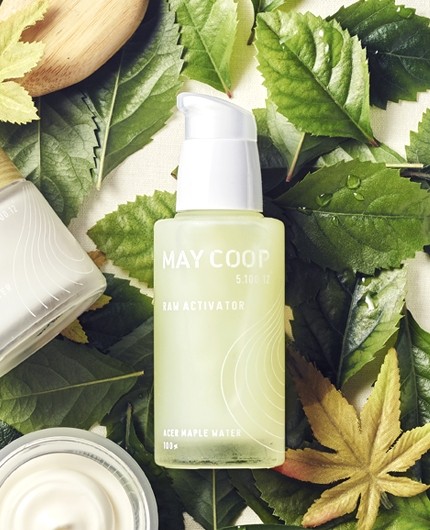
Once the skin is clean and ready to absorb active ingredients, Korean women move onto essences, serums, and masks. Yoon recommends Shangpree’s S-Energy Long Lasting Concentrated Serum ($120) for firming and plumping and May Coop’s Raw Activator ($60) for softer, stronger skin. Sheet masks are also staple in the Korean nighttime routine. Model Lee Sa-Bi has used one every night for the last eight years and recommends masks by Cremorlab and Shangpree.

For Korean women, skincare doesn’t stop at products. “The skin can also be given a boost by doing facial massages or exercises to help stimulate circulation and release toxins,” says Yoon.

Though Korean skincare routines vary widely, the last step is almost always moisturizer. “To seal in all the action,” says Yoon. Blogger Chriselle Lim recommends Sisley’s Hydra-Global Intense Anti-Aging Hydration ($225) and Black Rose Precious Face Oil ($235), which provide an extra dose of moisture, plus aromatherapy to put your mind at rest.

img_0577banner2_20171221111625nuoc-than-mau-moi-mua-he-2018-sk-ii-limited-edition-facial-treatment-essence-230ml-little-red-symbol-1may-coop-raw-activator_2

10 Health Benefits of Low-Carb and Ketogenic Diets

1. Low-Carb Diets Kill Your Appetite (in a Good Way)

Hunger is the single worst side effect of dieting.

It is one of the main reasons why many people feel miserable and eventually give up on their diets.

One of the best things about eating low-carb is that it leads to an automatic reduction in appetite (1).

The studies consistently show that when people cut carbs and eat more protein and fat, they end up eating much fewer calories.

In fact… when researchers are comparing low-carb and low-fat diets in studies, they need to actively restrict calories in the low-fat groups to make the results comparable (2).

BOTTOM LINE:When people cut carbs, their appetite tends to go down and they often end up eating much fewer calories without trying.

2. Low-Carb Diets Lead to More Weight Loss

Cutting carbs is one of the simplest and most effective ways to lose weight.

Studies show that people on low-carb diets lose more weight, faster, than people on low-fat diets… even when the low-fat dieters are actively restricting calories.

One of the reasons for this is that low-carb diets tend to get rid of excess water from the body. Because they lower insulin levels, the kidneys start shedding excess sodium, leading to rapid weight loss in the first week or two (34).

In studies comparing low-carb and low-fat diets, the low-carbers sometimes lose 2-3 times as much weight, without being hungry (56).

Low-carb diets appear to be particularly effective for up to 6 months, but after that the weight starts creeping back up because people give up on the diet and start eating the same old stuff (7).

It is much more appropriate to think of low-carb as a lifestyle, NOT a diet. The only way to succeed in the long-term is to stick to it.

However, some people may be able to add in healthier carbs after they have reached their goal weight.

BOTTOM LINE:Almost without exception, low-carb diets lead to more weight loss than the diets they are compared to, especially in the first 6 months.

3. A Greater Proportion of The Fat Lost Comes From The Abdominal Cavity

Not all fat in the body is the same.

It’s where that fat is stored that determines how it will affect our health and risk of disease.

Most importantly, we have subcutaneous fat (under the skin) and then we have visceral fat (in the abdominal cavity).

Visceral fat is fat that tends to lodge around the organs.Having a lot of fat in that area can drive inflammation, insulin resistance and is believed to be a leading driver of the metabolic dysfunction that is so common in Western countries today (8).

Low-carb diets are very effective at reducing the harmful abdominal fat.

Not only do they cause more fat loss than low-fat diets, an even greater proportion of that fat is coming from the abdominal cavity (9).

Over time, this should lead to a drastically reduced risk of heart disease and type 2 diabetes.

BOTTOM LINE:A large percentage of the fat lost on low-carb diets tends to come from the harmful fat in the abdominal cavity that is known to cause serious metabolic problems.

4. Triglycerides Tend to Go Way Down

Triglycerides are fat molecules.

It is well known that fasting triglycerides, how much we have of them in the blood after an overnight fast, are a strong heart disease risk factor (10).

Perhaps counter intuitively, the main driver of elevated triglycerides is carbohydrate consumption, especially the simple sugar fructose (111213).

When people cut carbs, they tend to have a very dramatic reduction in blood triglycerides (1415).

Compare this to low-fat diets, which can cause triglycerides to go up in many cases (1617).

BOTTOM LINE:Low-carb diets are very effective at lowering blood triglycerides, which are fat molecules in the blood and a well known risk factor for heart disease.

5. Increased Levels of HDL (the “Good”) Cholesterol

High-density lipoprotein (HDL) is often called the “good” cholesterol.

It’s actually wrong to call it “cholesterol”… all cholesterol molecules are the same.

HDL and LDL refer to the lipoproteins that carry cholesterol around in the blood.

Whereas LDL carries cholesterol from the liver and to the rest of the body, HDL carries cholesterol away from the body and to the liver, where it can be reused or excreted.

It is well known that the higher your levels of HDL, the lower your risk of heart disease will be (181920).

One of the best ways to increase HDL levels is to eat fat… and low-carb diets include a lot of fat (212223).

Therefore, it is not surprising to see that HDL levels increase dramatically on low-carb diets, while they tend to increase only moderately or even go down on low-fat diets (2425).

The Triglycerides:HDL ratio is another very strong predictor of heart disease risk. The higher it is, the greater your risk of heart disease is (262728).

By lowering triglycerides and raising HDL levels, low-carb diets lead to a major improvement in this ratio.

BOTTOM LINE:Low-carb diets tend to be high in fat, which leads to an impressive increase in blood levels of HDL, often referred to as the “good” cholesterol.

6. Reduced Blood Sugar and Insulin Levels, With a Major Improvement in Type 2 Diabetes

When we eat carbs, they are broken down into simple sugars (mostly glucose) in the digestive tract.

From there, they enter the bloodstream and elevate blood sugar levels.

Because high blood sugars are toxic, the body responds with a hormone called insulin, which tells the cells to bring the glucose into the cells and to start burning or storing it.

For people who are healthy, the quick insulin response tends to minimize the blood sugar “spike” in order to prevent it from harming us.

However… many, many people have major problems with this system. They have what is called insulin resistance, which means that the cells don’t “see” the insulin and therefore it is harder for the body to bring the blood sugar into the cells (29).

This can lead to a disease called type 2 diabetes, when the body fails to secrete enough insulin to lower the blood sugar after meals. This disease is very common today, afflicting about 300 million people worldwide (30).

There is actually a very simple solution to this problem… by cutting carbohydrates, you remove the need for all of that insulin. Both blood sugars and insulin go way down (3132).

According to Dr. Eric Westman, who has treated many diabetics using a low-carb approach, he needs to reduce their insulin dosage by 50% on the first day (33).

In one study in type 2 diabetics, 95.2% had managed to reduce or eliminate their glucose-lowering medication within 6 months (34).

If you are currently on blood sugar lowering medication, then talk to your doctor before making changes to your carbohydrate intake, because your dosage may need to be adjusted in order to prevent hypoglycemia.

BOTTOM LINE:The best way to lower blood sugar and insulin levels is to reduce carbohydrate consumption. This is also a very effective way to treat and possibly even reverse type II diabetes.

7. Blood Pressure Tends to Go Down

Having elevated blood pressure (hypertension) is an important risk factor for many diseases.

This includes heart disease, stroke, kidney failure and many others.

Low-carb diets are an effective way to reduce blood pressure, which should lead to a reduced risk of these diseases and help you live longer (3435).

BOTTOM LINE:Studies show that reducing carbs leads to a significant reduction in blood pressure, which should lead to a reduced risk of many common diseases.

8. Low-Carb Diets Are The Most Effective Treatment Known Against Metabolic Syndrome

The metabolic syndrome is a medical condition that is highly associated with the risk of diabetes and heart disease.

It is actually a collection of symptoms:

  • Abdominal obesity
  • Elevated blood pressure
  • Elevated fasting blood sugar levels
  • High triglycerides
  • Low HDL levels

The good news is… all five symptoms improve dramatically on a low-carb diet (3637).

Unfortunately, the government and major health organization still recommend a low-fat diet for this purpose, which is pretty much useless because it does nothing to address the underlying metabolic problem.

BOTTOM LINE:Low-carb diets effectively reverse all 5 key symptoms of the metabolic syndrome, a serious condition known to predispose people to heart disease and type 2 diabetes.

9. Low-Carb Diets Improve The Pattern of LDL Cholesterol

Low-density lipoprotein (LDL) is often referred to as the “bad” cholesterol (again, it is actually a protein).

It is known that people who have high LDL are much more likely to have heart attacks (3839).

However… what scientists have now learned is that the type of LDL matters. Not all of them are equal.

In this regard, the size of the particles is important. People who have mostly small particles have a high risk of heart disease, while people who have mostly large particles have a low risk (404142).

It turns out that low-carb diets actually turn the LDL particles from small to large, while reducing the number of LDL particles floating around in the bloodstream (43).

BOTTOM LINE:When you eat a low-carb diet, your LDL particles change from small (bad) LDL to large LDL – which is benign. Cutting carbs may also reduce the number of LDL particles floating around in the bloodstream.

10. Low-Carb Diets Are Therapeutic For Several Brain Disorders

It is often claimed that glucose is necessary for the brain… and it’s true.

Some part of the brain can only burn glucose. That’s why the liver produces glucose out of protein if we don’t eat any carbs.

But a large part of the brain can also burn ketones, which are formed during starvation or when carbohydrate intake is very low.

This is the mechanism behind the ketogenic diet, which has been used for decades to treat epilepsy in children who don’t respond to drug treatment (44).

In many cases, this diet can cure children of epilepsy. In one study, over half of children on a ketogenic diet had a greater than 50% reduction in seizures. 16% of the children became seizure free (45).

Very low-carb/ketogenic diets are now being studied for other brain disorders as well, including Alzheimer’s disease and Parkinson’s disease (46).

Take Home Message

Few things are as well established in nutrition science as the immense health benefits of low-carb and ketogenic diets.

Source: https://www.healthline.com/nutrition/10-benefits-of-low-carb-ketogenic-diets#section3

11 Biggest Keto Diet Dangers you need to know

1. Serious Muscle Loss Is a Possible Side Effect of Keto

“Muscle loss on the ketogenic diet is an ongoing area of research,” says Edwina Clark, RD, a dietitian in private practice in San Francisco. “Small studies suggest that people on the ketogenic diet lose muscle even when they continue resistance training. This may be related to the fact that protein alone is less effective for muscle building than protein and carbohydrates together after exercise.” Meanwhile, according to a small study published in March 2018 in the journal Sports, people following the keto diet for three months lost about the same amount of body fat and had about the same muscle mass changes as people following normal diets. Yet the folks on keto did lose more leg muscle.

“Loss of muscle mass as we age has a number of serious consequences,” notes Clark. “Muscle is metabolically active and helps boost daily energy expenditure and mitigate age-related weight gain.” Losing muscle mass can also decrease functional strength and heighten the risk of falls, notes Clark. Falls are the top cause of death from injury in older populations, according to the Institute of Medicine Division of Health Promotion and Disease Prevention.

2. Keto Can Put Stress on the Kidneys and Possibly Give You Kidney Stones

Kidney stones are a well-noted potential side effect of the ketogenic diet. Researchpublished in the Journal of Child Neurology observed that among children following the keto diet as a treatment for epilepsy, 13 out of 195 subjects developed kidney stones. Children supplementing with potassium citrate in the study noticed a decreased likelihood of kidney stones. Speak with your healthcare practitioner about supplementing if kidney stones are a concern.

“If you’re going to do keto, there’s a better and a worse way to do it,” says Yawitz. “Loading your plate with meats, and especially processed meats, may increase your risk for kidney stones and gout,” which is a painful type of arthritis. “High intake of animal proteins makes your urine more acidic and increases calcium and uric acid levels. This combination makes you more susceptible to kidney stones, while high uric acid can increase your risk for gout,” adds Yawitz.

And the ketogenic diet can be dangerous for people with kidney disease, as people with kidney disease need to follow an individualized diet as prescribed by their doctor. According to Davita Kidney Care, people with kidney disease often need to consume a low-protein diet, which may not align with the type of keto you’re following.

3. The Possibility of Low Blood Sugar Can Make Keto Risky for People With Diabetes

Carbohydrates help control blood sugar levels, which are of particular importance for people with diabetes. A study published in May 2018 in the journal Diabetic Medicine shows that while a keto diet may help control HbA1c levels (a two- to three-month average of blood sugar levels), the diet may also cause episodes of hypoglycemia, which is a dangerous drop in blood sugar. Echoing many registered dietitians, the Lincoln, Nebraska–based sports dietitian Angie Asche, RD, says she is “hesitant to recommend a ketogenic diet for individuals with type 1 diabetes.”

The same goes for people with type 2 diabetes. While some preliminary research suggests the keto diet may be safe and effective for certain people with type 2 diabetes, there’s still the risk for low blood sugar, especially for those on insulin, and the keto diet omits certain food groups known to benefit those with this disease. For example, a study published in September 2016 in the journal Nutrients highlights the importance of whole grains for helping to control weight as well as episodes of high blood sugar. Whole grains are off-limits on the ketogenic diet.

The best course of action is to proceed with caution and consult a professional before diving in. “If you have a medical condition or are on medications, you should always consult with your doctor before beginning a ketogenic diet,” Asche says.

4. Because It’s Hard to Follow, Keto Can Lead to Yo-yo Dieting

“Rapid, significant weight loss is a common side effect of the keto diet because of the water losses that occur as carbohydrate stores are depleted,” says Clark. In a study in the American Journal of Clinical Nutrition, obese men following a modified version of the ketogenic diet, with high protein and low carbs, lost about 14 pounds in one month, compared with the control group, which lost about 10 pounds on a high-protein, medium-carb diet.

Jalali says people following the diet have the best chance of keeping the weight off if they stay on it long term. And that’s not always easy to accomplish. The weight may come back if you go back to your regular eating habits. And regaining weight may lead to other negative effects. “Chronic yo-yo dieting appears to increase abdominal fat accumulation and diabetes risk,” notes Clark.

“Studies have shown that the ability to stick to a diet is more important for long-term success than the type of diet that’s followed,” says Yawitz. “Keto is incredibly restrictive and is particularly tough for those who have frequent social engagements or are prone to carb cravings.” The Mediterranean diet allows you to eat carbs, like as many fruits and veggies as you want, along with whole grains. Not to mention, the Mediterranean diet has been linked to a number of other health benefits, including a lower risk of Alzheimer’s and Parkinson’s disease, certain types of cancer, and heart disease, according to the Mayo Clinic.

5. The Ketogenic Diet Can Lead to Dehydration and a Loss of Electrolytes

“Suddenly and drastically reducing carbohydrates sets your body up for a double whammy of sorts,” says Yawitz. “The brain’s favorite fuel is glucose, which is most easily created from carbohydrates. In very-low-carb diets, the brain has to adjust to using ketones from digested fats for energy. To add to this discomfort, your kidneys release more electrolytes as insulin levels fall.” Additionally, your total body water decreases as carbohydrates become depleted on a keto diet, notes Clark. The result? What’s known as the keto flu, which could cause constipationnausea, headache, fatigue, irritability, cramps, and other symptoms. Don’t fret, though: Many of these symptoms are short term and should last only a few days to weeks. Make sure to drink plenty of water to help your body cope with these symptoms. And call your doctor if symptoms — especially nausea — are prolonged, advises Yawitz.

6. Because Keto Severely Limits Carbs, You May Develop Nutrient Deficiencies 

When carbohydrate intake is low, fiber consumption tends to be low, too. “This doesn’t come as a surprise when you consider fruits, whole grains, and starchy vegetables are decreased in your diet,” says Asche. This can lead to one especially uncomfortable side effect (more on that below).

Another possible nutrient deficiencypotassium, a mineral important for both electrolyte balance and blood pressure control, notes MedlinePlus. “Inadequate intake of potassium is likely when consumption of fruits and starchy vegetables are decreased,” says Asche. She recommends adding lower-carb sources of potassium to the diet, including avocado and spinach — as well as lower-carb sources of fiber, such as chia seeds and flaxseed (be sure to enjoy ground for the best health benefits).

7. Bowel Problems, Such as Constipation, Are Also Common on Keto

Let’s talk about a keto side effect that may not be so sexy: constipation. “Many of the richest sources of fiber, like beans, fruit, and whole grains are restricted on the ketogenic diet,” says Clark. “As a result, ketogenic eaters miss out on the benefits of fiber-rich diet such as regular laxation and microbiome support. The microbiome has been implicated in everything from immune function to mental health.” Indeed, in a long-term study in the Journal of Pediatrics in April 2015, constipation was noted as a very common side effect in children receiving ketogenic diets for epilepsy treatment.

In addition to constipation, diarrhea can crop up as a side effect of the keto diet — especially in the first few weeks of following it. “Some people have difficulty digesting large amounts of dietary fat, which can lead to greasy diarrhea,” notes Yawitz.

Other causes of diarrhea on the keto diet include consuming a diet low in fiber (fiber helps ward off diarrhea by bulking up stool) and eating processed low-carb foods like shakes and bars that may contain sugar alcohols. These sugar alcohols can ferment in the gut and cause gastrointestinal discomfort. Yawitz suggests limiting foods labeled “sugar free” if you’re prone to gas or diarrhea when you eat them. And you may want to gradually adjust your carbs downward and your fats upward. “Also build your diet around [naturally] high-fiber, low-carb foods like avocado and nonstarchy vegetables such as broccoli, cauliflower, and asparagus,” she says. Other keto-friendly ways to get more fiber include chia seeds, almonds, and coconut.

8. As Your Body Adjusts to Ketosis, You’ll Probably Have Bad Breath

Considered a symptom of the keto flu, your breath on this diet often smells fruity at first. This is because acetone is a by-product of ketosis and is eliminated mostly through the lungs and the breath, according to a study in the journal International Journal of Environmental Research and Public Health in February 2014. Acetone is a type of ketone known for having a fruity aroma in smaller concentrations. “It’s hard to say exactly how long it will last as it depends on the person, but it’s common for someone to experience this side effect for a few weeks,” says Asche.

9. Your Period on Keto Might Undergo Some Changes

“Periods may become irregular or completely stop on the keto diet,” says Yawitz. “This is more due to rapid weight loss than the diet itself and happens because of drops in gonadotropin-releasing hormone, follicle-stimulating hormone, luteinizing hormone, estrogen, and progesterone.”

Long-term disruption of menstruation can bring on serious side effects, including low bone density. “This is because estrogen is very important to bone health,” says Yawitz. “Studies have also found prolonged menstrual irregularity to increase risk for cardiovascular disease, depressionanxiety, and sexual dysfunction. It’s important to contact your ob-gyn if your cycles become irregular or if you stop having periods.”

But wait, there’s one loophole. Have polycystic ovary syndrome (PCOS)? Then the keto diet may help regulate your periods. “Women with PCOS have high insulin levels, which cause sex hormone imbalances,” notes Yawitz. In a small study published in the journal Nutrition & Metabolism, subjects with PCOS following a ketogenic diet for six months noted improvements in their menstrual cycles — and a small number of women became pregnant, overcoming previous infertility obstacles. “This study was very small, so we can’t make recommendations for all women with PCOS based on its findings,” says Yawitz. “And really, any diet that leads to weight loss should help in PCOS.”

10. Keto Could Cause Your Blood Sodium to Dip

“When you start the keto diet, you lose sodium and other electrolytes in the urine due to reductions in insulin,” says Yawitz. “This is a major contributor to symptoms of keto flu.” So it’s important to replenish sodium through the diet, especially if you exercise or sweat a lot. “This can help ward off more serious side effects that are seen with long-term sodium deficiencies,” says Yawitz. These include lethargy and confusion — and in extreme cases, seizures, coma, and death, according to the Mayo Clinic.

11. Keto May Lead to High Cholesterol and an Increased Risk for Heart Disease

The ketogenic diet doesn’t put a cap on saturated fat or even trans fats. The latter are fats you should always avoid. Read ingredient labels and avoid any food with partially hydrogenated oils, aka trans fats. These fats heighten your LDL (“bad”) cholesterol levels and lower your HDL (“good”) cholesterol levels. They also raise your risk of heart disease and stroke, according to the American Heart Association.

“Certainly, the quality of fat counts,” says Yawitz. “There’s a big difference nutritionally between bacon and almonds. As much as possible, people set on the keto diet should emphasize plant-based, unsaturated fats like nuts, seeds, olive oil, and avocado, which have even been shown to protect the heart.” If you have high cholesterol or other risk factors for heart disease, you should speak with your doctor before beginning the keto diet. This is because the diet may — but doesn’t have to — include large amounts of saturated fat. Some studies have shown increases in cholesterol and triglycerides in people following the diet, while other research reveals that the keto diet may actually decrease heart disease risk as well as saturated fat intake.

What to eat and avoid on Ketogenic Die

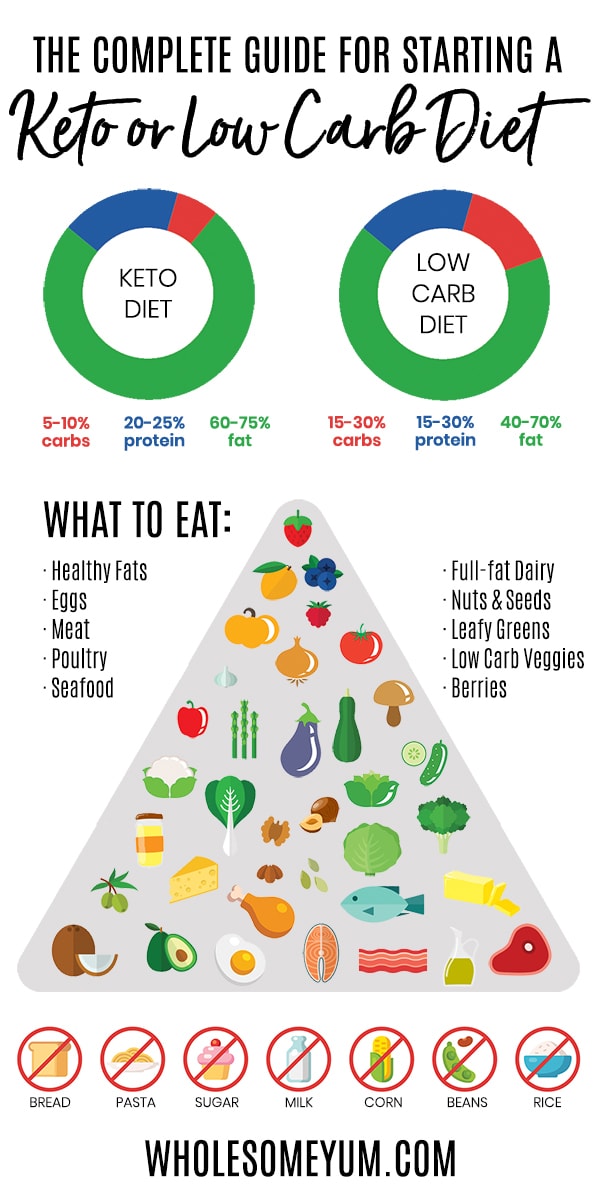
If you’re looking to get a jump start on your health and fitness goals this year, you may be thinking about trying the ketogenic diet. Maybe you’ve heard the phrase before — it’s a huge diet buzzword — but aren’t sure what it means. Here’s a primer: The ketogenic diet is an eating plan that drives your body into ketosis, a state where the body uses fat as a primary fuel source (instead of carbohydrates), says Stacey Mattinson, RDN, who is based in Austin, Texas.

When you’re eating the foods that get you there (more on that in a minute), your body can enter a state of ketosis in one to three days, she adds. During the diet, the majority of calories you consume come from fat, with a little protein and very little carbohydrates. Ketosis also happens if you eat a very low-calorie diet — think doctor-supervised, only when medically recommended diets of 600 to 800 total calories.wholesomeyum-low-carb-keto-diet-plan-how-to-start-a-low-carb-diet-3

A Complete Keto Diet Food Guide to Follow

Protein

keto-baking-sheet-chicken-veggies

Liberally: (That said, ketogenic diets aren’t high in protein, they focus on fat, so these should all be consumed in moderation.)

  • Grass-fed beef
  • Fish, especially fatty fish, like salmon
  • Dark meat chicken

Occasionally:

  • Bacon
  • Low-fat proteins, like skinless chicken breast and shrimp. These are great to include in your keto diet, but add a sauce on top for some fat rather than eating plain.

Never:

keto-diet-guide-avoid

  • Cold cuts with added sugar (read the label!)
  • Meat that has been marinated in sugary sauces
  • Fish or chicken nuggets

Oil and Fat

Liberally:

Occasionally: (Limit your consumption, which should be easy to do when avoiding packaged foods, which these are often found in.)

  • Sunflower oil
  • Safflower oil
  • Corn oil

Never:

  • Margarine
  • Artificial trans fats

Fruits and Veggies

Liberally:

  • Avocado
  • Leafy greens, like spinach and arugula
  • Celery
  • Asparagus

Occasionally: (These are still great choices, but you’ll also need to count these carbs.)

  • Leeks
  • Spaghetti squash
  • Eggplant

Never:

  • Potatoes
  • Corn
  • Raisins

Nuts and Seeds

Liberally:

Occasionally:

  • Unsweetened nut butters (almond or peanut butter)
  • Cashews
  • Pistachios

Never:

  • Trail mixes with dried fruit
  • Sweetened nut or seed butters
  • Chocolate-covered nuts

Source:

https://www.purewow.com/food/what-you-can-eat-on-ketogenic-diet

https://www.everydayhealth.com/diet-nutrition/ketogenic-diet/comprehensive-ketogenic-diet-food-list-follow/?eh_uid=83965378&slot=4&xid=nl_EHNLdiet_2018-11-12&utm_source=Newsletters&utm_content=2018-11-12&utm_campaign=Diet_and_Nutrition#creatingamealplan

Blog at WordPress.com.

Up ↑

Design a site like this with WordPress.com
Get started